
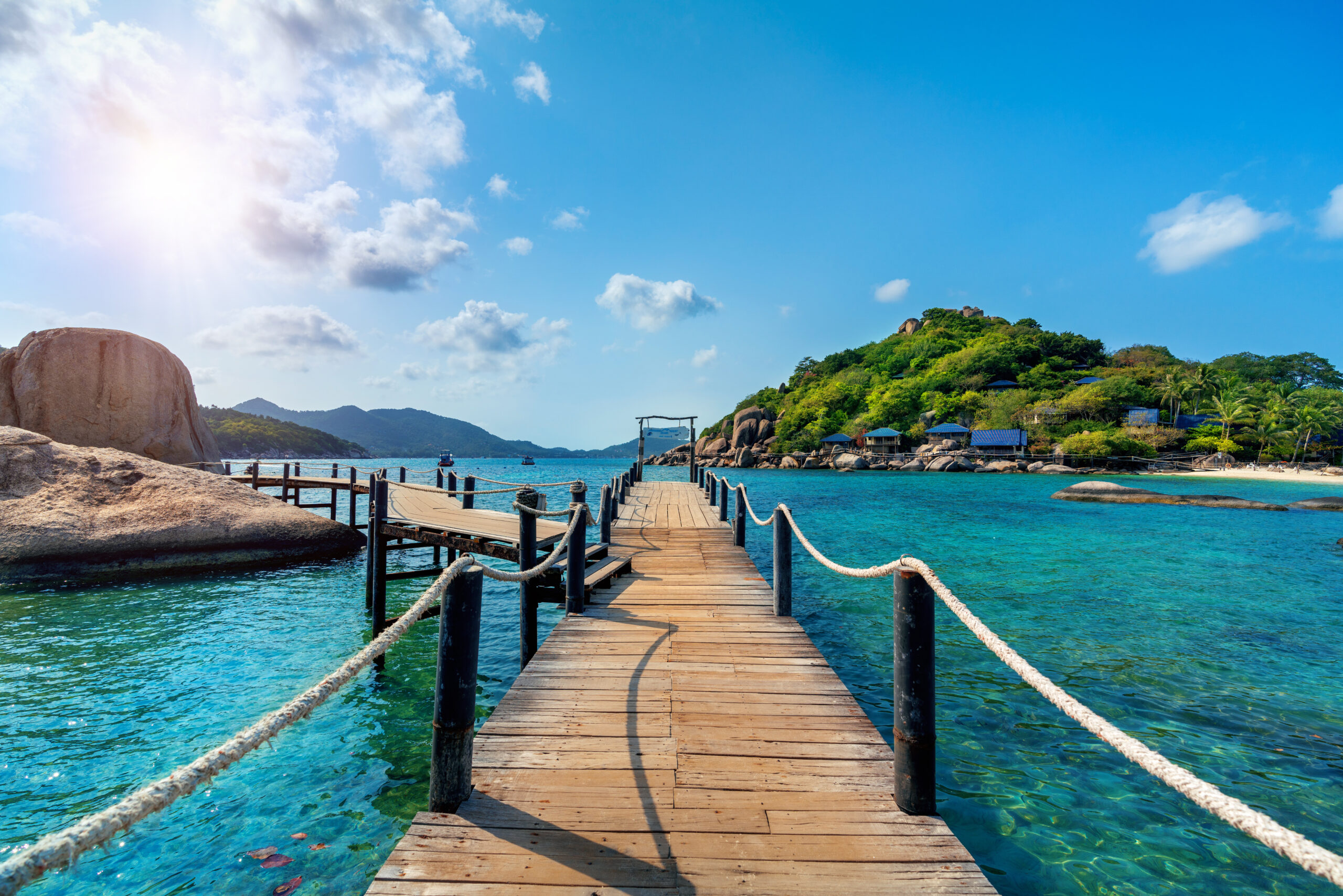
Introduction
Travel feels easier with smart tips, safe plans, and real stories. Learn simple travel ideas and plan better trips today.
Travel feels like hitting the reset button after a long week. I still remember sitting in a small airport café at dawn, tired but excited for a new place and a fresh view. Good travel is not just about famous spots or pretty photos. It is about simple moments, kind people, warm food, and stories you tell later with a smile. If you want trips that feel easier, calmer, and more real, this guide will help you plan with more confidence.
Why Travel Still Changes People in Unexpected Ways
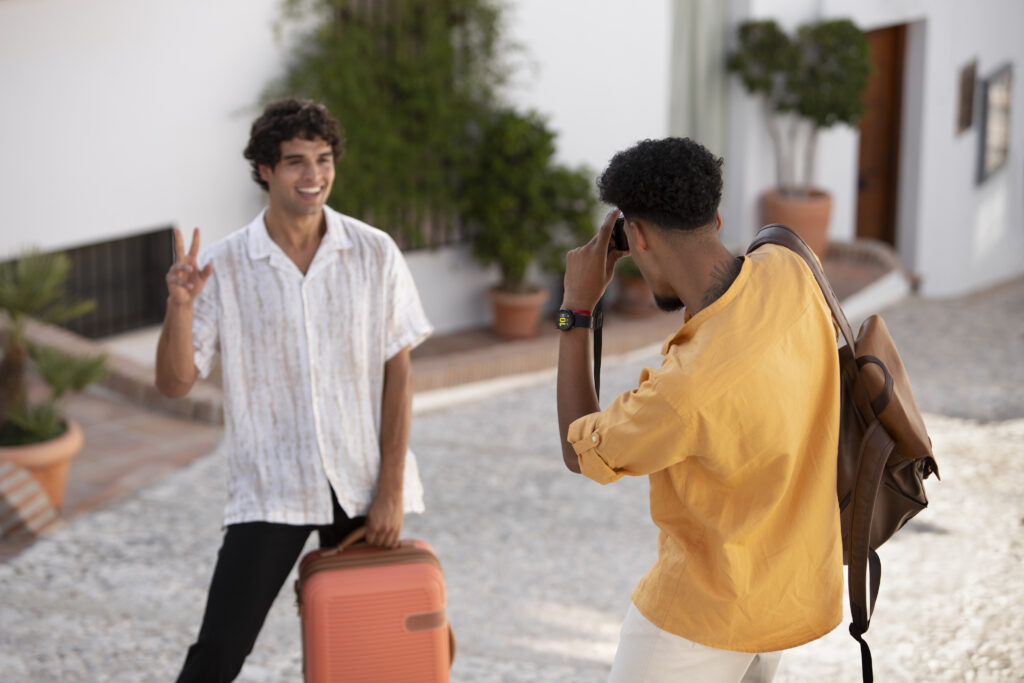
A short trip can change your mood very fast. I felt that last winter during a quick train ride to a small hill town. Before the trip, my mind felt heavy and tired. Two days later, I felt calm again, even though my shoes stayed wet from the rain. That is the quiet magic of travel. Small travel experiences often stay with you longer than big plans.
The Emotional Side of Traveling
The first night away from home always feels strange to me. I unpack too quickly, sit on the bed, and check my bag again for no reason. Even during fun international trips, a small homesick feeling can appear.
Then the mood changes. You hear new languages around you. Food smells drift through busy streets. A stranger laughs at a nearby table, and the place suddenly feels warm and alive. Solo travel taught me that fear and joy can exist together.
Airport mornings also feel emotional in a quiet way. One morning in Dubai, I watched sleepy travelers hold giant coffee cups like treasure. You could hear suitcase wheels, soft flight calls, and tired kids asking for snacks. The place felt calm and messy at the same time.
Some travel memories stay because of simple details:
- The smell of hot street food at night
- Loud train sounds during rush hour
- Rain falling on old roads
- Warm bread from a small bakery
Those moments often matter more than famous tourist spots.
| Travel Moment | Why People Remember It |
|---|---|
| Hearing new languages | Makes the world feel bigger |
| Eating local food | Creates warm memories |
| Walking quiet streets | Helps clear the mind |
| Watching sunrise at the airport | Feels hopeful |
Benefits of Travel Beyond Photos
Many people think travel is only for photos online. Real travel is often messy, loud, and tiring too. Still, those trips teach the most.
Travel builds confidence in small ways. Missing a train teaches quick thinking. Asking strangers for help improves communication skills. During one trip, my phone battery dropped to 2% while I looked for a guesthouse. I had to ask a shop owner for help using simple hand signs. We both laughed through the confusion.
Cultural tourism also changes how people think. You notice local culture, daily habits, and family traditions. In some places, dinner starts late. In others, shops close early so families can eat together. Those details help you understand people better.
Travel can also reduce stress and burnout. After long work weeks, even a short break helps the mind slow down. Fresh air, nature sounds, and slower days feel healing. Many tourism trends now show that people want calm and meaningful trips more than busy schedules.
Real-Life Travel Moments People Remember
Most travel memories are not perfect. They are random, funny, and human.
I once got lost while looking for a local market. At first, I felt annoyed and tired. A few minutes later, I found a tiny café with hot soup and soft music. That wrong turn became my favorite part of the trip.
Travel delays can also create special moments. During a long bus delay, I spent an hour talking with two travelers about food, music, and local culture. None of us planned that conversation.
Translation mistakes can become funny memories too. I once tried to order grilled chicken but somehow asked for cold milk with extra onions instead. The waiter looked shocked. I looked confused. Then we both started laughing.
That is why travel feels special. It is not always smooth or perfect. It simply feels real.
How to Become a Travel Agent in 2026
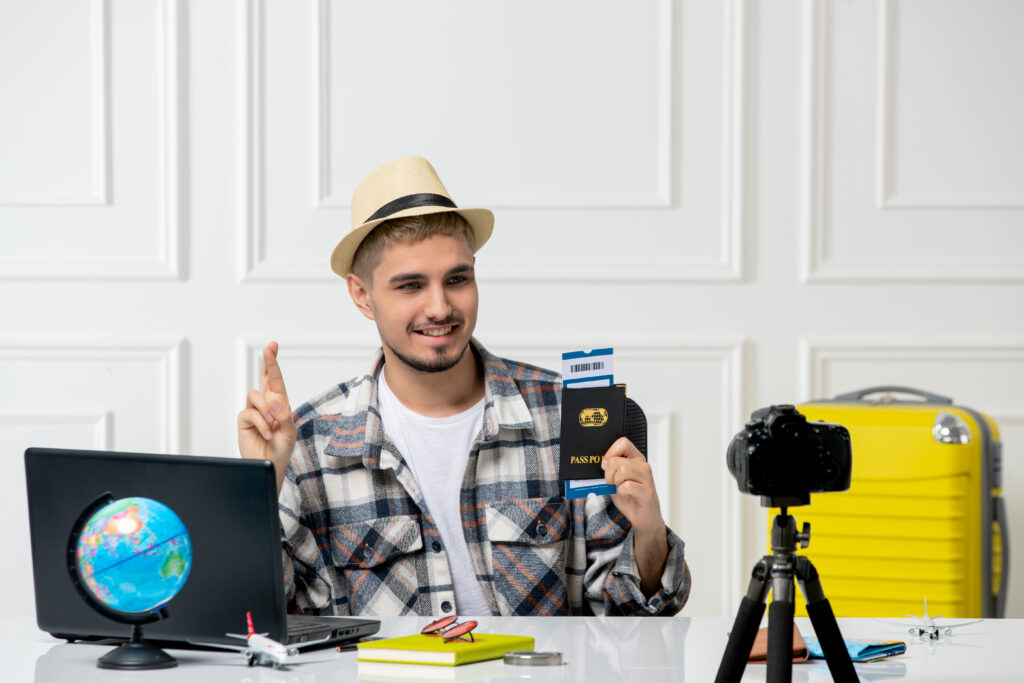
A few years ago, I thought travel agents were gone for good. Most people booked trips on their phones late at night. Then one of my friends lost money after a bad flight change ruined his trip. That changed my mind very fast. Travel can get stressful now. Many people trust a good travel agent more than random travel sites.
What a Travel Agent Actually Does
Many people think travel agents only book flights and hotels. Real travel work is much bigger than that. A good travel agent helps people stay calm when plans go wrong.
I saw this during a family trip last year. A storm delayed many flights, and the airport became loud and crowded. People looked tired and upset. Our travel agent changed our hotel and new flight before we even landed. That help saved us hours of stress.
Travel agents often help with:
- Flight bookings
- Hotel bookings
- Travel plans
- Travel insurance
- Visa help
- Emergency changes
Some agents focus on luxury travel. Others help with family trips, cruise travel, or solo travel. Some also help digital nomad travelers who work while moving between countries.
| Travel Agent Work | Why It Matters |
|---|---|
| Book flights | Saves time |
| Plan trips | Keeps travel easy |
| Handle insurance | Adds safety |
| Fix delays | Lowers stress |
Skills You Need Before Starting
You do not need to know every country to start. Good people skills matter more.
Travel agents often help stressed travelers. A lost bag or missed flight can ruin someone’s whole day. Calm customer service helps a lot in those moments.
Helpful skills include:
- Clear communication
- Customer service
- Basic sales skills
- Travel research
- Problem solving
- Time planning
Travel knowledge also helps. People often ask:
- “Is this place safe?”
- “Do I need a visa?”
- “Which hotel area is best?”
- “Is this trip good for kids?”
Knowing airline rules and travel laws helps people trust you.
Steps to Become a Travel Agent
I once spoke with a travel agent in Kuala Lumpur on a rainy day. She told me many beginners fail because they move too fast. That advice stayed in my mind.
Starting small works better for most people.
Here are the basic steps:
- Learn about the travel industry
Read travel news, blogs, and airline updates often. - Pick a travel niche
Trying to sell every place can confuse people.
Popular travel niches include:
- Luxury travel
- Adventure travel
- Family vacations
- Cruise travel
- Eco travel
- Solo travel
- Get training
Travel courses help build trust and skill. - Join a host agency
Many beginners start this way because it gives support and booking tools. - Build an online page
A small website or social page helps new clients find you.
Tools Modern Travel Agents Use
Travel work looks very different in 2026. Most agents now use digital tools every day.
Helpful tools include:
- Booking apps
- CRM software
- Google Maps
- AI trip planners
- Flight apps
- Money exchange tools
Last month, I tested an AI travel planner while looking for a short beach trip. It made a full plan in seconds. It felt useful and funny at the same time.
Still, apps cannot replace human help fully. Technology knows flight times, but real travel agents understand people and travel problems better.
Common Mistakes Beginners Make
Many new travel agents feel excited at first. That excitement is normal. Still, beginners often make simple mistakes.
One big mistake is trying to sell every place in the world. Most travelers trust experts more. Someone who knows Caribbean travel well often does better than someone selling random trips everywhere.
Other common mistakes include:
- Ignoring client budgets
- Missing visa updates
- Forgetting travel rules
- Using too much automation
- Poor follow-up with clients
Travel rules change fast now. Airline policies can change overnight. Good travel agents stay updated because wrong advice can ruin a trip.
At the end of the day, travel agents do more than book tickets. They help people feel calm during stressful travel moments. That human support still matters, even with modern apps and AI tools.
Can Americans Travel to Cuba Right Now?
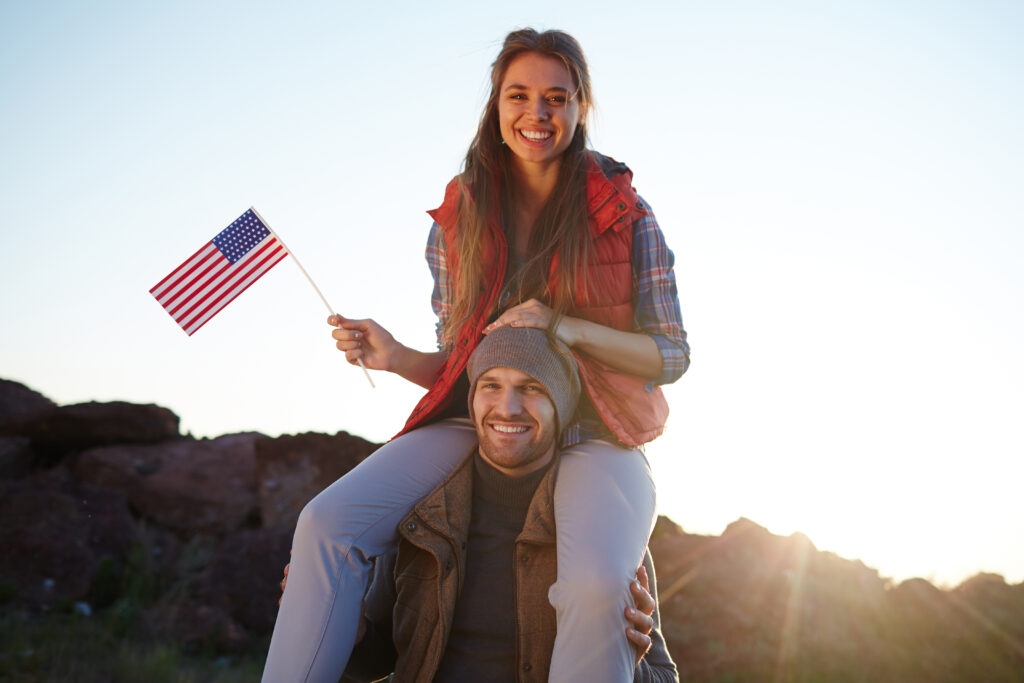
Cuba still sits on many travel wish lists. I understood why the first time I saw photos of old cars, soft sunset light, and music-filled streets. The place feels calm in a different way. People sit outside late at night, music plays from open windows, and life moves slowly. Still, travel to Cuba is not as easy as booking a normal beach trip.
Current Rules for Americans Traveling to Cuba
Many people ask if Americans can travel to Cuba legally. The short answer is yes. Still, there are rules Americans must follow.
Americans cannot visit Cuba only for tourism. Most trips must fit into approved travel categories.
Common travel categories include:
- Family visits
- School or learning trips
- Support for Cuban people
- Work research
- News or media work
Before booking flights, travelers should check current U.S. travel restrictions. Rules can change fast. Airline policies can also change without much warning.
Most travelers need:
- A valid passport
- A Cuban visa card
- Travel insurance
- Flight papers
One Friday night, I helped a friend check his Cuba travel papers before his flight. Our table was full of coffee cups, printed forms, and sticky notes. It felt stressful at first, but careful planning helped avoid problems later.
| Travel Need | Why It Helps |
|---|---|
| Passport | Needed for entry |
| Visa card | Required for Cuba travel |
| Insurance | Adds safety |
| Flight papers | Helps avoid delays |
Popular Reasons Americans Visit Cuba
Most people do not visit Cuba for giant malls or fancy shopping. They go because the country feels different from modern tourist spots.
Havana leaves a strong first impression. The city feels colorful, loud, and full of life. Old cars move slowly through busy streets. Music comes from restaurants and homes. Some buildings look worn down, but that also gives the city charm.
Many Americans visit Cuba for:
- Cultural exchange
- Music and dance
- Historic streets
- Local food
- Caribbean travel
One traveler I met called Havana “beautiful and rough at the same time.” That felt honest to me. The city has beauty, but travelers should also expect older roads, slower service, and simple living conditions in some places.
Cuban food also surprised me. I still remember eating grilled chicken, rice, and sweet bananas in a small family restaurant while music played nearby. The meal was simple, warm, and unforgettable.
Travel Tips Before Visiting Cuba
Travel in Cuba feels different from many other places. Good planning makes the trip easier.
One important tip is carrying enough cash. American bank cards do not always work well there. Many travelers bring extra cash before arrival.
Helpful travel tips include:
- Carry enough cash
- Download offline maps
- Learn simple Spanish words
- Bring backup chargers
- Save hotel details offline
Internet access can also feel limited. One evening, I saw tourists standing together near a public Wi-Fi spot with phones raised high in the air. Everyone looked like they were searching for hidden treasure. It was funny and sad at the same time.
Basic Spanish also helps a lot. Even simple words like “hello” and “thank you” can make conversations smoother and kinder.
Common Questions Travelers Ask
Many travelers still feel confused about Cuba travel rules. That confusion makes sense because travel laws can change often.
Is Cuba safe for tourists?
Most tourist areas feel safe, but travelers should still stay careful.
Can Americans stay in hotels?
Yes, but some hotel limits may still apply under U.S. rules.
Are flights available from the U.S.?
Yes, some U.S. airports offer flights to Havana and other cities.
What items are restricted?
Some goods and money rules still face limits under U.S. law.
Cuba travel needs more planning than many Caribbean trips. Still, many travelers feel the music, history, food, and local culture make the extra effort worth it.
Is Time Travel Possible or Just Science Fiction?

Every few months, I watch a sci-fi movie late at night and ask myself the same thing. Could time travel ever become real? This usually happens around 2 AM while I eat cold snacks and scroll through strange online theories. It sounds silly, but many people wonder about it. Time travel stories stay popular because they feel exciting, strange, and deeply human.
What Scientists Say About Time Travel
Scientists do not fully reject time travel. Still, they also do not think humans will build a time machine anytime soon.
Many ideas about time travel connect to Albert Einstein and his Theory of Relativity. The idea is simple in one way. Time may move differently depending on speed and gravity.
One rainy evening during a flight delay, I read about space-time while sitting near a cold airport window. Outside, planes moved slowly through heavy fog. Inside, my brain felt just as foggy trying to understand wormholes.
Scientists often talk about:
- Space-time
- Black holes
- Wormholes
- Light speed
- Relativity theory
Some experts think wormholes could connect different points in time. Others believe the energy needed would be far too large.
| Time Travel Idea | Simple Meaning |
|---|---|
| Relativity theory | Time may move differently |
| Black holes | Strong gravity affects time |
| Wormholes | Possible shortcuts in space |
| Light speed travel | May change time experience |
Even scientists disagree sometimes. That mystery keeps the topic interesting.
Time Travel in Pop Culture
Time travel became popular because movies and books made it fun. People love asking “What if?” questions.
Some stories show people fixing the past. Others imagine strange future worlds. A few become so confusing that viewers need snacks and a notebook just to follow the story.
Popular science fiction travel stories often include:
- Time loops
- Future worlds
- Parallel timelines
- History changes
- Future technology
I once watched a time travel show during a hotel stay in Bangkok after missing a flight. By the fourth episode, I forgot which version of the main character belonged to which timeline. Jet lag did not help.
People enjoy time travel stories because they connect with real feelings. Many people wonder:
- “What would I change?”
- “Could I fix old mistakes?”
- “What will happen in the future?”
That emotional side keeps people curious.
Could Humans Ever Travel Through Time?
Right now, real human time travel still feels unlikely. Science has ideas, but there are huge problems.
Some major problems include:
- Huge energy needs
- Safety risks
- Science limits
- Ethical questions
Many experts think backward time travel may never happen. Forward time travel feels slightly more possible because speed and gravity already affect time in small ways.
Still, the idea creates strange questions. If people could move through time, would they change history? Would small choices create huge problems later? Honestly, humans already struggle to answer emails on time. Giving us access to history sounds risky.
Funny Everyday “Time Travel” Feelings
Real time travel may not exist, but daily life can feel close sometimes.
Vacations can make time disappear. A short beach trip can feel very long and very short at the same time.
Jet lag also creates strange moments. I once woke up at 4 AM in a dark hotel room and thought it was lunchtime for almost a full minute. My brain felt completely lost.
Long airport delays can also feel endless. One layover in Istanbul lasted so long that I started judging carpet colors for fun. At some point, airports stop feeling connected to normal time.
Funny “time travel” feelings include:
- Losing track of days during trips
- Jet lag confusion
- Endless airport waits
- Watching sunrise without sleep
That may explain why people love time travel stories so much. Even normal life can make time feel strange sometimes.
Understanding the “Do Not Travel” Warning for 21 Countries
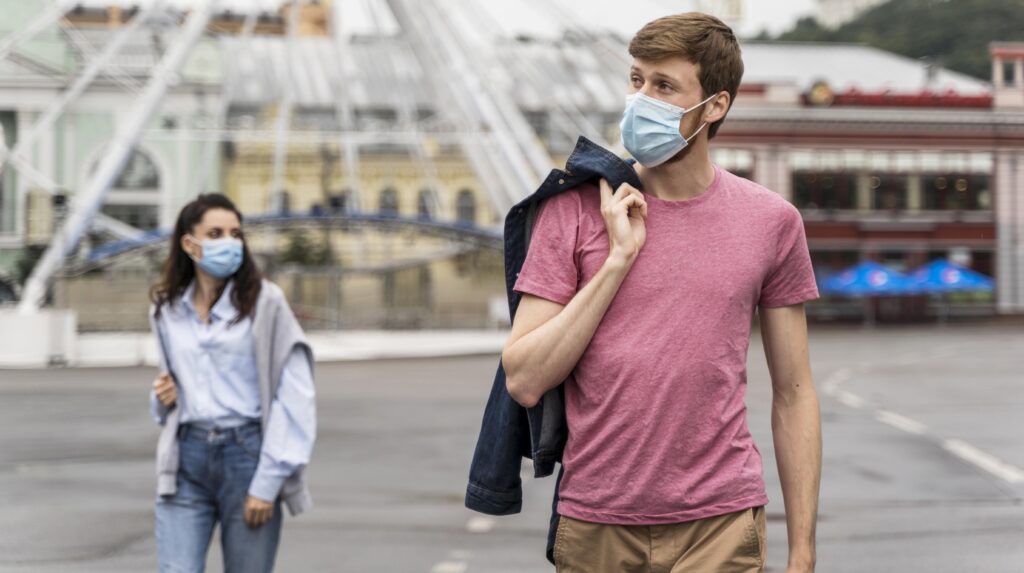
Travel warnings can sound scary at first. I used to ignore them sometimes. Then one rainy evening in Dhaka, I started reading travel alerts before booking a trip. The photos online looked calm and beautiful. The real news looked very different. A fun trip can turn stressful very fast when safety problems appear without warning.
What a Do Not Travel Warning Means
A “Do Not Travel” warning is the highest travel alert from a government. It means the risks in that country are very serious.
These warnings often happen because of:
- War
- Health problems
- Terror attacks
- Political unrest
- High crime
Many people think travel warnings only mean war. That is not always true. Disease outbreaks and public protests can also create major travel safety risks.
One night, I checked travel advisories before booking a flight. The beaches looked peaceful in travel videos. Then I saw news about airport shutdowns and street protests. That moment reminded me that travel photos do not always show real conditions.
| Travel Risk | Why It Matters |
|---|---|
| War | Creates danger |
| Disease outbreaks | Affects health |
| Political unrest | Stops transport |
| Kidnapping risks | Threatens tourists |
| Terror attacks | Raises danger |
Travel warnings can also affect:
- Flights
- Hotels
- Visa approval
- Embassy help
- Travel insurance
Common Reasons Countries Receive Warnings
Travel conditions can change very fast. A peaceful place can suddenly become risky.
Common reasons for warnings include:
- Armed conflict
- Terror attacks
- Disease outbreaks
- Civil unrest
- High crime
Health problems can spread quickly too. One year, I watched travelers cancel trips after sudden disease alerts appeared online. Airports became crowded with confused people asking airline workers for updates.
Political problems also affect travel. Protests can block roads and close airports without warning.
Kidnapping risks are another problem in some places. Many travelers do not expect this because online travel videos often show only beaches, food, and music.
That is why travel safety research matters before international trips.
How Travelers Should Respond
Good travel planning starts before buying tickets. I learned this after missing an important travel update one late night while packing my bag. Since then, I always check safety alerts first.
Helpful travel safety steps include:
- Check official travel advisories
- Buy travel insurance
- Register with embassy services
- Watch local news
- Save emergency numbers
Embassy help becomes important during serious problems. I used to think this step felt boring too. Still, it matters during storms, protests, or health emergencies.
Travel insurance also helps a lot now. Flight delays, canceled trips, and sudden health problems can become very expensive.
Safer Alternatives for Travelers
Sometimes the best travel choice is changing the destination. That does not mean the trip becomes boring.
Nearby countries may offer similar travel experiences with fewer risks. One traveler I met changed his trip from a risky area to a quiet beach town nearby. He still enjoyed local food, warm weather, and cultural tourism without the same stress.
Safer travel choices may include:
- Nearby countries
- Off-season trips
- Domestic travel
- Smaller towns
Domestic travel can surprise people too. I once canceled an international trip and visited a quiet countryside area instead. The air felt fresh, the roads stayed calm, and my phone barely worked. Honestly, it became one of my most peaceful trips.
Travel should feel exciting, not dangerous. Smart planning and updated travel information help make trips safer and easier.
Practical Travel Tips That Make Trips Smoother
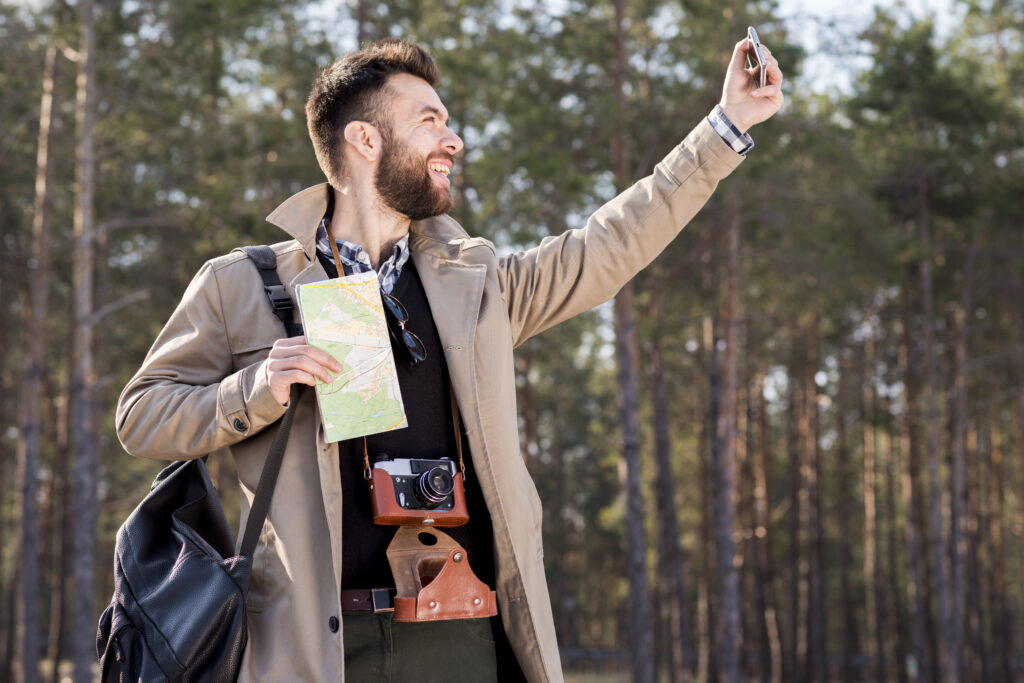
Most travel stress comes from small problems. Dead phone batteries. Wet socks after rain. Missing chargers before boarding. I learned this during one short trip when my power bank died, my bag zipper broke, and I paid too much for a dry airport sandwich. Good travel planning cannot stop every problem, but it can make trips much easier.
Smart Packing Habits
Packing well saves time and stress. I used to throw random clothes into my bag the night before a trip. That habit never worked well.
Now I follow a simple travel planning checklist. It keeps my bag lighter and my mind calmer.
Helpful packing habits include:
- Use packing cubes
- Carry backup documents
- Pack simple clothes
- Keep medicine easy to reach
- Bring extra chargers
Packing cubes help more than most people expect. During one rainy trip, my clean clothes stayed dry inside my bag. My shoes were not so lucky.
I also keep digital copies of my passport and tickets on my phone. Losing papers during travel can create huge problems very fast.
| Packing Tip | Why It Helps |
|---|---|
| Packing cubes | Keeps bags neat |
| Backup documents | Helps during problems |
| Simple clothes | Saves space |
| Easy medicine access | Reduces stress |
| Extra chargers | Keeps phones alive |
Backpacking essentials also matter during long trips. Good shoes, a water bottle, and a light jacket can improve the whole day.
Budget Travel Advice
Travel does not need to empty your bank account. Some of my favorite trips were also my cheapest ones.
One smart trick is traveling during shoulder season. Flights cost less, hotel prices drop, and tourist crowds become smaller.
Helpful budget travel tips include:
- Travel during shoulder season
- Use flight comparison apps
- Avoid tourist restaurants
- Watch hidden fees
- Use public transport
One time, I paid double for lunch near a famous tourist spot. Ten minutes later, I found a small local café with better food and lower prices. That lesson stayed with me.
Hidden fees also surprise many travelers. Cheap flights often become expensive after baggage and seat charges appear. I now check the final price before booking.
Budget travel works best when you stay flexible.
Safety Habits Experienced Travelers Follow
Good travel safety habits matter a lot when things go wrong.
I learned this during a late-night taxi ride in a city I did not know well. My phone battery dropped fast, and I realized nobody had my hotel address. Since then, I always prepare better.
Helpful travel safety habits include:
- Share travel plans with family
- Avoid public Wi-Fi for banking
- Keep passport copies
- Learn local emergency numbers
- Charge devices before leaving
Public Wi-Fi can create safety risks for banking and private accounts. I now avoid opening important apps on free airport internet.
Learning local emergency numbers also helps. Most travelers never need them, but knowing them creates peace of mind.
Sustainable Travel Choices
Travel affects local people and nature too. Small choices can help protect both.
I noticed this during a beach trip where plastic bottles covered parts of the sand early in the morning. The ocean still looked beautiful, but the trash felt hard to ignore.
Simple eco-tourism habits include:
- Support local businesses
- Reduce plastic waste
- Respect local culture
- Use eco-friendly transport
- Carry reusable bottles
Small local cafés and shops often create the best travel memories too. One tiny bakery during a countryside trip served warm bread, hot tea, and kind conversation that felt more special than expensive tourist restaurants.
Respect for local culture matters just as much. Learning simple greetings and basic manners often leads to warmer travel experiences.
Good travel feels smoother when smart habits become normal. Better packing, safer choices, and careful spending can save a trip from becoming stressful later.
Travel Trends People Are Following in 2026
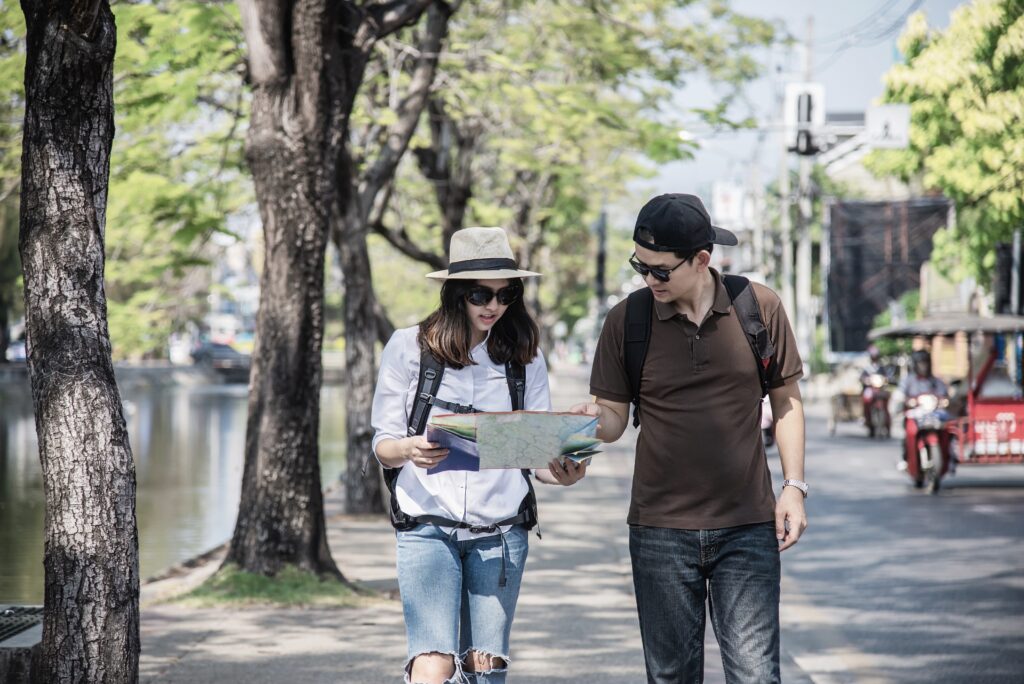
Travel trends change very fast now. One year people want huge luxury hotels. The next year they rent tiny cabins with no Wi-Fi and call it peace. I noticed this during a short hill trip last spring. Nobody cared about fancy photos. Most people wanted quiet mornings, fresh air, and slow days.
Popular Travel Styles
Travel feels more personal in 2026. Many people now want calm trips instead of busy travel plans.
Slow travel is growing fast. People stay longer in one place and enjoy local life more. I tried this during a stay near Chiang Mai. I walked small streets, drank tea at the same café, and stopped checking the time every hour. The trip felt simple and relaxing.
Popular travel styles now include:
- Slow travel
- Wellness retreats
- Remote work travel
- Adventure tourism
- Eco travel
Wellness travel also feels very popular now. People want sleep, nature, and less phone time. One friend stayed at a forest retreat for three days. His phone barely worked, but he looked happier after the trip.
Remote work travel also changed modern tourism habits. Many digital nomad travelers now work from beach towns and mountain cafés. Some stay for weeks instead of short weekends.
| Travel Style | Why People Like It |
|---|---|
| Slow travel | Feels calm |
| Wellness retreats | Helps reduce stress |
| Remote work travel | Gives more freedom |
| Adventure tourism | Feels exciting |
| Eco travel | Helps nature |
Adventure tourism still attracts many travelers too. Hiking, diving, and road trips help people create strong travel memories.
Technology Changing Travel
Technology now shapes almost every travel experience. Some changes feel very useful. Others still feel a little strange.
Last month, I tested an AI trip planner while planning a short beach trip. It built a full travel plan in seconds. I sat there drinking coffee and wondering if the app worked harder than me.
Travel tools people use now include:
- AI trip planning
- Digital passports
- Translation apps
- Smart luggage
- Mobile boarding passes
Translation apps help during international trips too. One time, I tried to order grilled fish using a translation app. Somehow, the app mentioned dancing chickens instead. The waiter laughed harder than I did.
Digital passports also help airports move faster. Long paper lines feel less common now.
Still, smart tourism has limits. Apps can help with maps and bookings, but they cannot replace real local advice.
What Travelers Care About More Now
Travel priorities changed a lot after years of delays and changing rules. People care more about comfort and flexibility now.
Many travelers want:
- Flexible bookings
- Health safety
- Authentic experiences
- Sustainable tourism
- Quiet places
I noticed this during a beach trip last year. Most travelers skipped crowded tours and spent more time in small local cafés. People wanted slower and more real travel experiences.
Sustainable tourism also matters more now. Travelers think more about local culture, nature, and waste. Simple choices like reusable bottles and local shops can help a lot.
Authentic travel feels important too. Many people now care more about real food, local stories, and honest moments than perfect social media photos.
The future of travel looks more balanced now. People still love adventure, but they also want peace, safety, and meaningful memories.
Final Thoughts
Travel keeps changing, but the best parts still feel simple and human. A good trip is not only about famous places or perfect photos. It is about small moments that stay in your mind long after you return home. A warm meal after a long train ride. Quiet streets after rain. Funny mistakes that later become great stories. Modern travel also needs smarter planning, better safety habits, and more flexibility than before. Still, the joy of discovering new places never really fades. Whether you love slow travel, adventure tourism, or short weekend breaks, meaningful travel can still help you feel calm, curious, and alive again.
FAQ
Is travel in 2026 more expensive now?
Travel costs can feel higher now, but smart planning helps save money. Learn more about budget travel tips and cheaper travel seasons.
Can travel still feel relaxing with busy airports?
Yes, travel can still feel calm with good planning and flexible schedules. Learn more about smooth travel habits and stress-free trips.
Why do people enjoy slow travel now?
Slow travel helps people rest, enjoy local culture, and avoid burnout. Learn more about modern tourism trends and meaningful travel.
Is solo travel safe for beginners in 2026?
Solo travel can feel safe with smart planning and travel safety habits. Learn more about packing tips and travel safety advice.
How is technology changing travel today?
Travel apps, AI trip tools, and digital passports now make trips easier. Learn more about smart tourism and modern travel tools.